
We build AI
for video
teams.
We've already built two tools for video teams. The first is a clip reviewer, built from a video company's own criteria. The second cuts captioned videos for a news agency's video desk. Editors make the final call on both.
- from a first meeting to the first version of our clip reviewer
- 6 daysfrom a first meeting to the first version of our clip reviewer
- from a requirements call to the first production release of our video editing tool
- 3 daysfrom a requirements call to the first production release of our video editing tool
- production releases of that tool in its first three days
- 24production releases of that tool in its first three days
How we built a first-pass video reviewer
A 3:04 film. Turn the sound on.
One clip, as our reviewer sees it.
It makes a call and gives its reasons.
Story
Shots
 234567
Motion
Sound
Keep
This is the breakdown our reviewer made of a clip from the film, redrawn for the page.
Six days from first meeting to first version
- Day 0
A video company showed us how their editors decide which clips to use.
- Then
We studied their criteria and the clips they had already labeled.
Details kept confidential - Then
We turned their criteria into plain-English rules an editor can change.
- Day 6
Six days after our first meeting, the first version was running.
Here it is today, on Story0, where we host our working prototypes. Since then we've added private workspaces, each with its own rules, and a search that finds new public clips.
What it does
with every clip.
It does the first watch, so your editors spend their time on the calls that need them. Every call comes with its reasons.
See which clips to use at a glance.
Every clip gets a call: use as is, use after an edit, not a fit, or rejected for safety. Drop a clip in and the review starts on its own.
Every shot, described and scored.
It describes each shot in plain words and scores how clear and eye-catching it is, so you can find the good part fast.
It flags what an editor looks for.
On-screen text, logos, subscribe buttons, risky moments. Its reasons link to the moments that back them up.
A shorter cut that keeps the payoff.
It suggests trims, protects the payoff, and lets you watch the shorter cut before anyone touches the file.
Your editors make the final call.
Safety calls always go to a person, and editors can correct any verdict. Each correction is saved with the editor's note.
The cliff-jump screens are real output from the film. The other clip names are made up to show the layout.
When it gets a call wrong, you fix the rule.
The rules are plain English, so an editor can fix one with a sentence. Run the clip again and the verdict follows the new rule.
This is the real re-run from the film. Every rule change is versioned, so old results never quietly change.
Safety boundaries
Reject and escalate to a producer.
Rule name
Graphic harm
How to recognise it
Unsaved changes
Save changes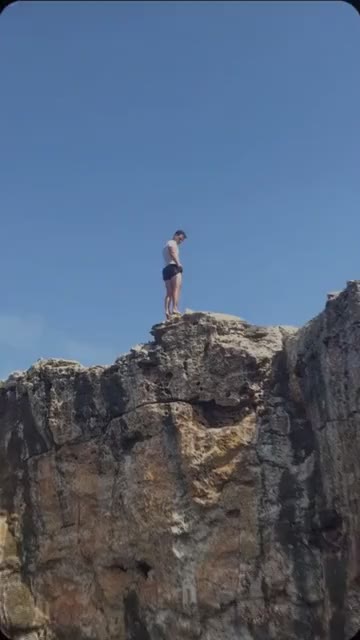
Cliff jumps
0:25 · vertical
Compilation of cliff dives with clear payoffs.
Jump to payoff 0:04Sped up for the page. A real re-run takes minutes.
We also built a tool that cuts finished videos.
We built it for a news agency's video desk, and it runs in their own private workspace. Footage and the reporter's copy go in. Out come captioned videos in the desk's house style, plus clean landscape and vertical versions. Each caption shows the sentence or shot it came from, and anything unsupported gets flagged. Nothing is final until an editor approves it.
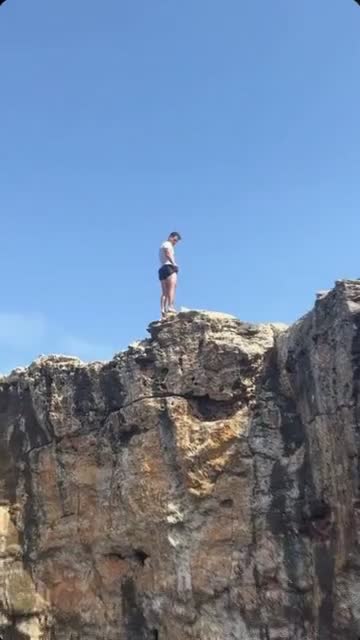
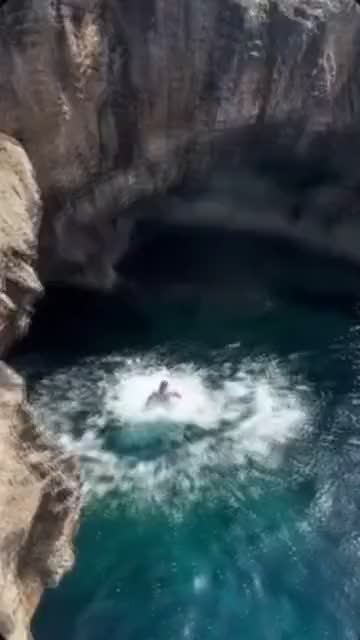
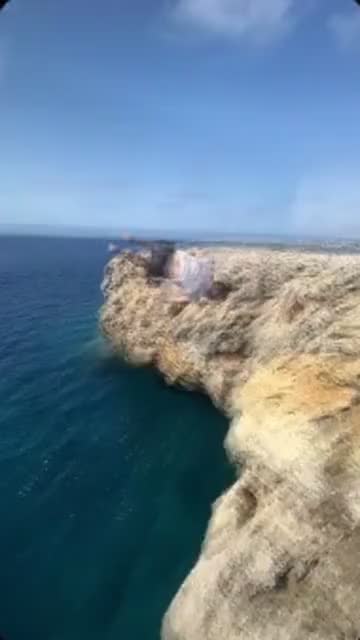
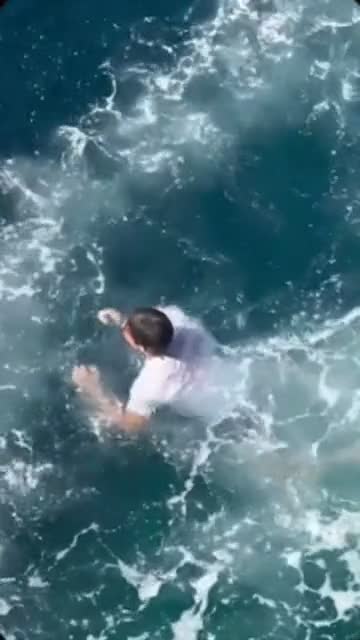
A woman and a man took turns diving off the sea cliffs. She went first. He followed, then climbed back up and jumped twice more.
- Two divers, a woman and a manfact
- She dived firstfact
- He jumped three timesfact
Picture
Captions
Sound
Ask for a change
Make it shorter
Trimmed the last shot and re-timed the captions to fit. Nothing else changed.
She went firstThis is a recreation of the editor, using the clip from the film and a few lines of copy we wrote for this page.
What we can build for you.
Half of this is built and running on Story0 today. The other half is what we'd build next, with your team.
We don't name the teams we work with.
So far that's a video company and a news agency's video desk. We'd keep your name off this site too.
It's also why the film uses public clips and made-up workspace names.
How we work
with your team.
We learn how your team makes decisions, then build a platform around them. Our engineers work alongside your editors from the first week.
1
Sit with your editors
We watch how your team decides, read your criteria, and look at clips you've already labeled.
2
Write the rules down
Your team's judgment becomes plain-English rules your editors can read, argue with and change.
3
Ship a first version fast
We get a working version running on your own footage within days. Then we go through its calls and cuts with your editors.
4
Check it blind
We run it on clips your editors have already labeled, with the labels hidden until the end.
5
Make it part of the job
It moves into a private workspace with your rules, and we connect it to the tools your team already uses.
What we build for you is yours, code and rules included.
Ownership terms are set out in each engagement agreement. Story0 and our existing tools remain Big Leap's.
Our team includes engineers with Google and YouTube backgrounds.
They work in your team's tools and follow your review standards.
Only the people assigned to your work can see your footage and data.
It lives in environments you approve, and it is returned or destroyed when the engagement ends.
Show us how
your team decides.
We'll come back with a working first version on your own footage. That's usually the fastest way to find out if this is worth doing.
We're happy to sign a mutual NDA before we look at your footage or criteria.